The Complete Guide to Vehicle Wraps: Cost, Benefits, and Car Wrap vs Paint
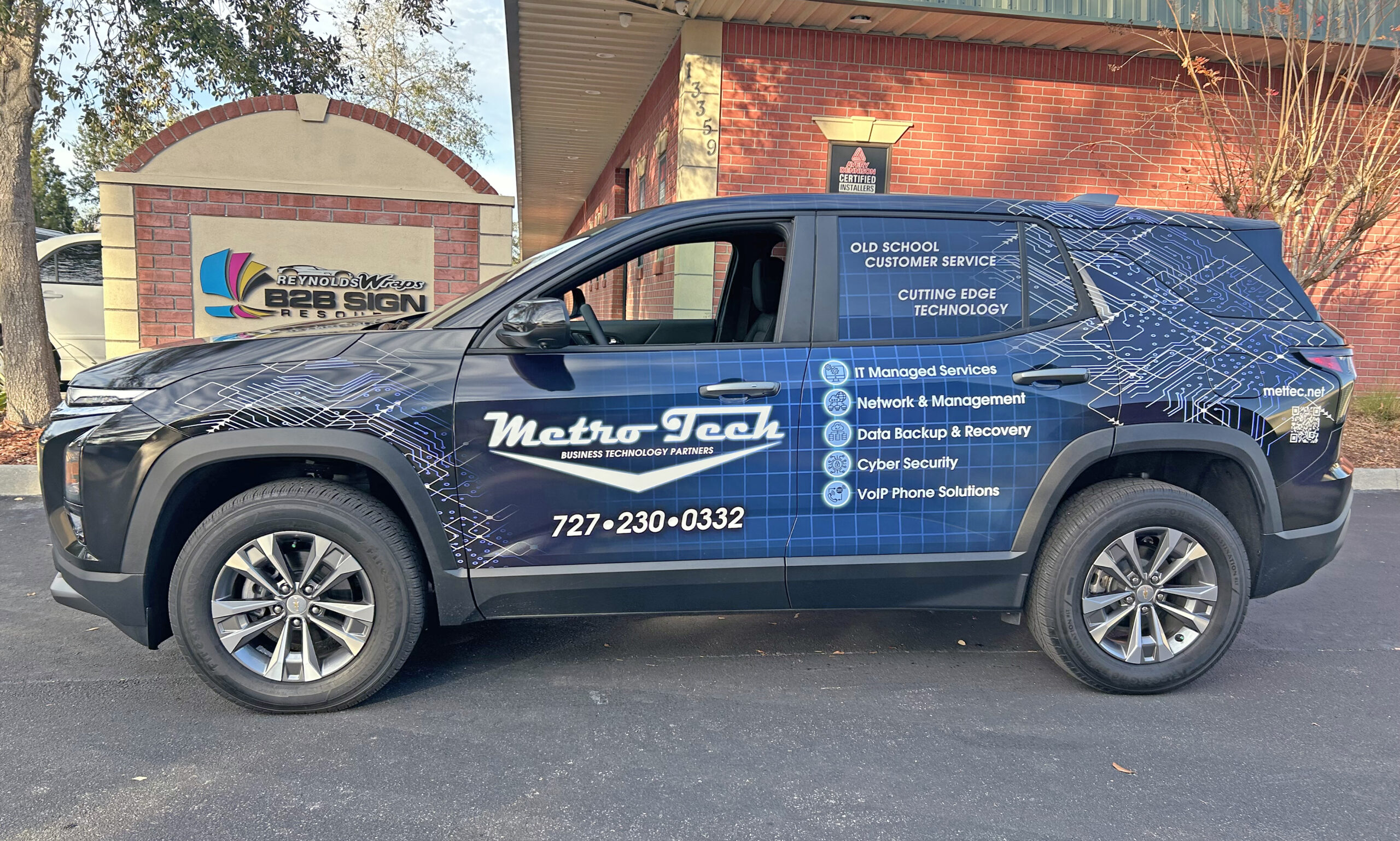
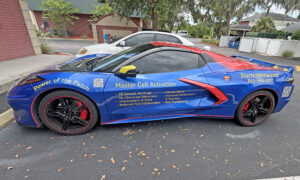
A vehicle wrap is more than just a surface-level upgrade—it is a transformation layer that redefines how a vehicle looks, performs visually, and even how it communicates identity.
At its core, a vehicle wrap is a high-performance, adhesive-backed vinyl film meticulously applied to the exterior surfaces of a car, truck, or van. But in practice, it becomes something far more powerful: a tool for personalization, protection, and promotion. It allows vehicle owners to experiment with bold aesthetics—matte blacks, satin finishes, chrome reflections, textured designs—without committing to permanent change.
Unlike traditional paint, which alters a vehicle irreversibly, a wrap exists as a reversible skin. It preserves the original factory finish beneath it, acting as a protective shield against environmental damage while simultaneously projecting a completely new visual identity.
What makes wraps particularly compelling is their versatility. The same technology used on vehicles can extend to boats, storefront walls, interior spaces, and even appliances—blurring the line between automotive customization and environmental branding.
How Long Does a Vehicle Wrap Last?
The longevity of a vehicle wrap is not accidental—it is engineered.
A professionally installed wrap typically lasts between 5 to 7 years, but this lifespan is influenced by a combination of material quality, environmental exposure, and maintenance habits. Premium-grade vinyl is designed to endure constant exposure to sunlight, rain, dust, and fluctuating temperatures without losing its structural integrity or visual vibrancy.
Over time, vehicles face micro-abrasions from road debris, UV radiation that causes fading, and pollutants that degrade surfaces. A high-quality wrap absorbs much of this impact. It acts as a sacrificial layer—taking the damage so the original paint does not have to.
When properly maintained, the wrap continues to retain its color depth, surface smoothness, and adhesion, making it not just a cosmetic upgrade, but a long-term protective investment.
How Much Does Vehicle Wrapping Cost?
Vehicle wrapping exists at the intersection of design, craftsmanship, and material science—and its pricing reflects that complexity.
On average, a full vehicle wrap ranges between $2,500 and $6,000, but this range is shaped by multiple layered factors. Larger vehicles demand more material and labor. Intricate designs require advanced printing techniques and precision alignment. Specialty finishes like chrome or textured wraps increase both material cost and installation complexity.
A partial wrap, on the other hand, allows strategic branding or accent design at a lower cost, making it an attractive option for businesses looking to maximize visibility without committing to a full transformation.
What many overlook is that the cost of a wrap is not just about aesthetics—it includes surface preparation, professional installation, and the assurance that the final result will be seamless, bubble-free, and durable. In that sense, a wrap is not an expense; it is a crafted upgrade.
Is a Vehicle Wrap Cheaper Than Paint?
The comparison between wraps and paint is not just financial—it is philosophical.
Traditional paint jobs, especially custom ones, can quickly escalate in cost due to labor-intensive processes like sanding, priming, multiple paint layers, and clear coating. Once completed, the result is permanent. Any change requires repeating the entire process.
Vehicle wraps, by contrast, offer a flexible economic model. They provide a high-end visual finish at a significantly lower cost while allowing future changes without starting from scratch. This makes them particularly valuable for businesses that evolve their branding or individuals who enjoy refreshing their vehicle’s appearance over time.
In essence, wraps shift the paradigm from permanence to adaptability—delivering both affordability and creative freedom.
Benefits of Vehicle Wraps
Vehicle wraps are not defined by a single advantage—they are a convergence of multiple benefits working together.
They provide complete visual customization, allowing owners to explore finishes and designs that would be prohibitively expensive or impossible with paint. They offer paint protection, shielding the original surface from scratches, UV damage, and environmental wear. For businesses, they transform vehicles into mobile advertising assets, generating impressions every time the vehicle moves through traffic or remains parked in public spaces.
Perhaps most importantly, wraps are removable without damage, restoring the vehicle to its original state when needed. This balance between transformation and reversibility is what makes wraps uniquely powerful.
Car Wrap vs Paint: Which Is Better?
The debate between car wrap and paint is ultimately a question of intention.
Traditional paint represents permanence. It is deeply embedded into the vehicle’s identity, offering long-term durability and a factory-like finish. However, this permanence comes at the cost of flexibility, higher expense, and limited customization unless significantly more is invested.
Vehicle wraps, on the other hand, represent evolution. They allow vehicles to adapt—to personal tastes, branding needs, or market trends—without locking the owner into a single decision. They provide protection, creative freedom, and cost efficiency, all within a reversible framework.
If paint is about commitment, wraps are about control.
When Should You Choose a Car Wrap?
A car wrap becomes the ideal choice when your priorities extend beyond permanence.
If you are a business owner seeking visibility, a wrap turns your vehicle into a moving marketing channel. If you are an individual exploring aesthetic expression, it offers access to finishes and textures that redefine your vehicle’s presence. If you value protecting your original paint while experimenting with design, a wrap provides that dual advantage.
It is the solution for those who want change—without consequence.
When Should You Choose Paint?
Paint remains the preferred option when permanence is the goal.
For those who want a long-term, factory-grade finish that becomes a permanent part of the vehicle’s identity, paint delivers unmatched longevity. It is ideal for owners who do not anticipate future changes and are willing to invest in a finish that will remain for years, even decades.
However, this permanence also means accepting its limitations—both financially and creatively.
Final Thoughts
Vehicle wraps and traditional paint represent two different philosophies of vehicle transformation.
Wraps offer adaptability, protection, and cost-efficiency—ideal for those who value change and creativity. Paint offers permanence and long-term durability—suited for those who prefer a fixed identity.
The right choice is not universal. It is personal. It depends on how you balance cost, creativity, longevity, and control.

 Previous Post
 Next Post